Welcoming a baby into the world is one of life’s happiest moments. However, some newborns need specialized medical attention immediately after birth due to premature delivery, low birth weight, breathing difficulties, infections, congenital conditions, or other complications. In these situations, access to an advanced Neonatal Intensive Care Unit (NICU) can make a significant difference in improving health outcomes and giving newborns the best possible start in life.
If you are looking for the Best Neonatal Care Hospital In Shivajinagar Pune, choosing a hospital with experienced neonatologists, modern NICU technology, round-the-clock emergency care, and compassionate family-centered support is essential. Parents need reassurance that their baby is receiving expert medical attention in a safe and nurturing environment.
ONP Hospitals has earned the trust of families across Pune by offering comprehensive neonatal care supported by experienced specialists, advanced medical equipment, evidence-based treatment protocols, and personalized care for premature and critically ill newborns. From routine newborn observation to intensive care for high-risk babies, every treatment plan is designed to promote healthy growth and recovery.
This comprehensive guide explains everything parents should know about neonatal care, NICU services, when babies require intensive care, available treatments, and how to choose the right Neonatal Hospital In Shivajinagar.
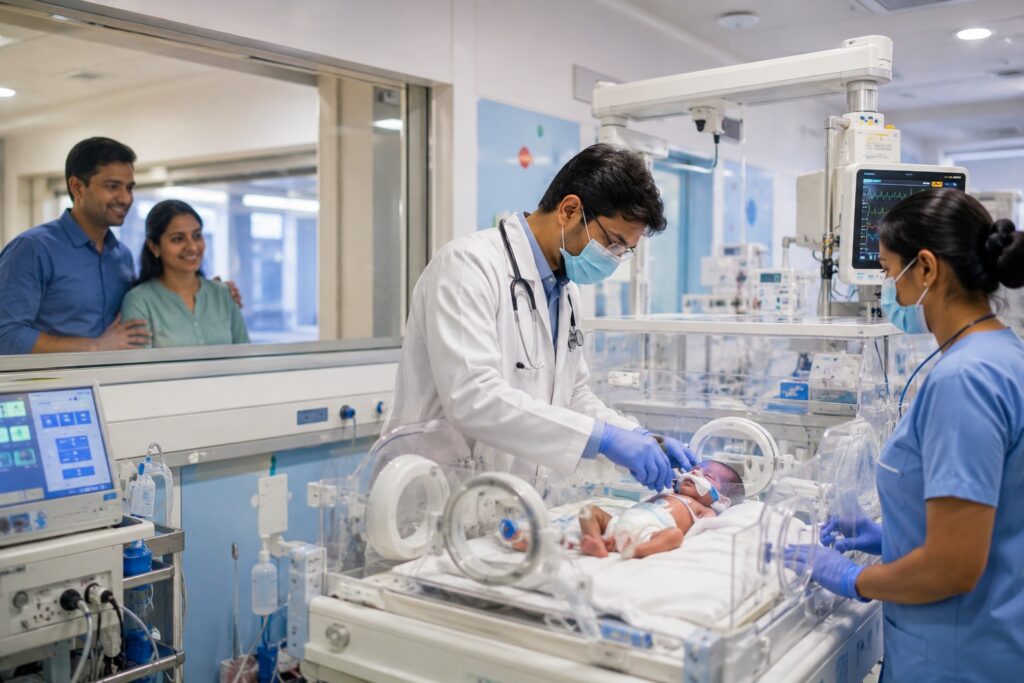
What is Neonatal Care?
Neonatal care refers to specialized medical care provided to newborn babies during the first 28 days of life. This period is extremely important because newborns are adapting to life outside the womb, and some babies require additional medical support to overcome health challenges.
Neonatal care includes:
- Care for premature babies
- Monitoring low birth weight infants
- Treatment for respiratory disorders
- Management of neonatal infections
- Treatment for jaundice
- Feeding support
- Temperature regulation
- Neonatal emergency care
- Congenital anomaly management
Highly trained neonatologists, pediatricians, NICU nurses, respiratory therapists, and other healthcare professionals work together to ensure each newborn receives personalized treatment.
What is a NICU?
A Neonatal Intensive Care Unit (NICU) is a specialized hospital department designed to care for newborns who require intensive monitoring and advanced medical treatment.
Unlike a standard nursery, a NICU is equipped with sophisticated technology and staffed by specially trained healthcare professionals capable of managing complex neonatal conditions around the clock.
Babies who may require NICU care include:
- Premature infants
- Low birth weight babies
- Babies with breathing problems
- Infants born with congenital abnormalities
- Babies with severe infections
- Newborns requiring surgery
- Twins or multiple births with complications
Why Some Babies Need Intensive Neonatal Care
Every pregnancy is unique. While many babies are born healthy, others may require immediate medical intervention.
Common reasons include:
1 ) Premature Birth
Babies born before 37 weeks often have underdeveloped lungs, digestive systems, and immune systems.
NICU support helps them:
- Breathe independently
- Gain healthy weight
- Regulate body temperature
- Develop feeding ability
2) Low Birth Weight
Babies weighing less than 2.5 kg often require continuous observation.
Doctors monitor:
- Blood sugar
- Body temperature
- Oxygen levels
- Nutrition
- Growth milestones
3) Respiratory Distress
Some newborns experience difficulty breathing immediately after birth due to immature lungs or birth-related complications.
Advanced NICU equipment helps provide:
- Oxygen therapy
- CPAP support
- Mechanical ventilation
- Respiratory monitoring
4) Neonatal Jaundice
Most newborns develop mild jaundice. However, severe jaundice can damage the brain if left untreated.
Treatment may include:
- Phototherapy
- Blood investigations
- Exchange transfusion in severe cases
5) Neonatal Infections
Because newborn immune systems are still developing, infections can become serious quickly.
Early diagnosis and timely antibiotic treatment are critical.
5) Birth Complications
Babies who experience oxygen deprivation or difficult delivery may require immediate NICU care to stabilize their condition.
Signs Your Newborn May Need Immediate Medical Attention
Parents should seek urgent medical evaluation if a newborn shows:
- Difficulty breathing
- Poor feeding
- Persistent vomiting
- High or low body temperature
- Bluish lips or skin
- Seizures
- Unusual sleepiness
- Weak crying
- Reduced movement
- Persistent jaundice
Prompt treatment significantly improves outcomes.
Features of an Advanced NICU
An advanced NICU offers much more than incubators. It provides comprehensive, technology-driven care tailored to the unique needs of newborns.
Key features include:
- Level III neonatal intensive care
- Continuous vital monitoring
- Neonatal ventilators
- CPAP and respiratory support
- Incubators and radiant warmers
- Phototherapy units
- Advanced infection control
- Emergency neonatal transport support
- Skilled neonatal nursing staff
- 24×7 specialist availability
These facilities ensure that critically ill newborns receive immediate and effective treatment.
Conditions Treated in a Neonatal Intensive Care Unit
A modern NICU manages a wide range of neonatal conditions, including:
- Prematurity
- Low birth weight
- Birth asphyxia
- Respiratory distress syndrome
- Neonatal sepsis
- Jaundice
- Congenital heart defects
- Neonatal seizures
- Feeding difficulties
- Meconium aspiration syndrome
- Hypoglycemia
- Neonatal pneumonia
- Temperature instability
- Twin-related complications
- Surgical neonatal conditions
Early diagnosis and multidisciplinary care improve survival rates and long-term development.
Why Choose ONP Hospitals for Neonatal Care in Shivajinagar?
When selecting the best neonatal care hospital in Shivajinagar, parents look for expertise, advanced facilities, and compassionate care. ONP Hospitals combines all these elements to support newborns during their most critical days.
1) Comprehensive Neonatal Services
ONP Hospitals provides advanced neonatal care under one roof, including intensive monitoring, respiratory support, neonatal emergencies, and developmental follow-up.
2) Experienced Neonatologists
The neonatal team consists of skilled specialists experienced in managing premature babies, high-risk deliveries, and complex newborn conditions using evidence-based treatment protocols.
3) Advanced NICU Infrastructure
The hospital is equipped with modern incubators, ventilators, CPAP systems, phototherapy units, infusion pumps, and continuous monitoring equipment to provide safe and effective neonatal intensive care.
4) Family-Centered Care
Parents are actively involved in the treatment journey. The care team offers regular updates, guidance on newborn care, breastfeeding support, and emotional reassurance throughout the baby’s NICU stay.
5) Infection Control and Safety
Strict infection prevention measures, sterile protocols, and continuous monitoring help create a safe environment for vulnerable newborns.
NICU Treatment Procedures at ONP Hospitals
Every newborn admitted to the Neonatal Intensive Care Unit (NICU) receives a personalized treatment plan based on their medical condition, gestational age, birth weight, and overall health. The multidisciplinary neonatal team works together to provide evidence-based care with continuous monitoring.
1) Initial Assessment and Stabilization
Immediately after admission, the neonatal team evaluates the baby’s:
- Heart rate
- Breathing pattern
- Oxygen saturation
- Body temperature
- Blood glucose levels
- Birth weight
- Neurological status
If required, emergency stabilization measures are initiated to ensure the baby receives prompt life-saving support.
2) Respiratory Support
Breathing difficulties are among the most common reasons for NICU admission. Depending on the baby’s condition, respiratory care may include:
- Oxygen therapy
- Continuous Positive Airway Pressure (CPAP)
- Mechanical ventilation
- High-flow nasal cannula support
- Surfactant therapy for premature lungs
Continuous monitoring helps ensure optimal oxygen delivery while minimizing complications.
3) Nutritional and Feeding Support
Proper nutrition is essential for growth and recovery, especially in premature infants.
Nutrition support may include:
- Breast milk feeding
- Expressed breast milk through feeding tubes
- Specialized neonatal formulas (when necessary)
- Intravenous nutrition (Total Parenteral Nutrition)
- Gradual transition to oral feeding
Lactation counseling is provided to help mothers establish breastfeeding whenever possible.
4) Infection Prevention and Treatment
Newborns, particularly premature babies, have underdeveloped immune systems.
The NICU follows strict infection-control practices, including:
- Hand hygiene protocols
- Sterile procedures
- Limited visitor access
- Regular infection surveillance
- Early antibiotic treatment when indicated
5) Monitoring and Developmental Care
Advanced monitoring systems continuously track:
- Heart rate
- Respiratory rate
- Blood pressure
- Oxygen saturation
- Temperature
Developmental care practices such as minimal handling, noise reduction, proper positioning, and skin-to-skin (kangaroo) care support healthy brain and physical development.
Advanced Neonatal Technology Available
High-quality neonatal care depends on advanced medical technology combined with clinical expertise.
Key equipment commonly found in modern NICUs includes:
- Neonatal incubators
- Radiant warmers
- Multiparameter monitors
- Neonatal ventilators
- CPAP machines
- Phototherapy units
- Infusion pumps
- Syringe pumps
- Portable ultrasound systems
- Blood gas analyzers
These technologies allow healthcare teams to provide precise, safe, and effective treatment.
Benefits of Choosing ONP Hospitals for Neonatal Care
Parents searching for the best neonatal care hospital in Shivajinagar often look beyond technology. They want a trusted healthcare partner committed to their baby’s long-term well-being.
Key advantages include:
- Experienced neonatologists and pediatric specialists
- Comprehensive Level III NICU support
- Advanced neonatal monitoring systems
- 24×7 emergency newborn care
- Family-centered approach
- Breastfeeding and lactation support
- Strict infection-control practices
- Multidisciplinary care for complex neonatal conditions
- Regular parental counseling and updates
- Focus on long-term developmental outcomes
How Parents Can Support Their Baby During NICU Care
Although medical professionals provide intensive treatment, parents play an essential role in their baby’s recovery.
Helpful ways to stay involved include:
- Visit regularly, following NICU guidelines.
- Practice kangaroo mother care if advised.
- Provide expressed breast milk whenever possible.
- Participate in counseling sessions.
- Learn about discharge planning and newborn care.
- Ask questions about your baby’s progress.
- Follow vaccination and follow-up schedules after discharge.
Parental involvement strengthens bonding and supports healthy development.
Key Takeaways
- Neonatal care focuses on babies during the first 28 days of life.
- NICU provides advanced treatment for premature and critically ill newborns.
- Early medical intervention improves survival and long-term development.
- Experienced neonatologists and advanced technology are essential for high-risk newborn care.
- Family involvement supports recovery and emotional well-being.
- ONP Hospitals offers comprehensive neonatal services with modern NICU facilities and compassionate care.
Frequently Asked Questions
1. What is a NICU?
A NICU is a Neonatal Intensive Care Unit that provides specialized medical care for premature and critically ill newborns.
2. Which babies require NICU admission?
Premature babies, low birth weight infants, babies with breathing difficulties, infections, congenital conditions, or birth complications may require NICU care.
3. Is NICU care safe for newborns?
Yes. Modern NICUs follow strict safety, infection-control, and monitoring protocols to provide specialized treatment.
4. How long does a baby stay in the NICU?
The duration varies depending on the baby’s medical condition, gestational age, and recovery progress.
5. Can parents visit babies in the NICU?
Yes. Hospitals generally encourage parental involvement while following visitor and infection-control guidelines.
6. Does breastfeeding continue during NICU care?
In many cases, yes. Expressed breast milk is encouraged, and lactation support is provided whenever possible.
7. What is kangaroo mother care?
It is skin-to-skin contact between the parent and baby, which supports bonding, temperature regulation, and healthy development.
8. Can premature babies live healthy lives?
Many premature babies grow into healthy children with timely medical care, proper nutrition, and regular follow-up.