Child Specialist in Pimple Saudagar: How to Choose the Right Doctor for Your Baby
Every parent wants the best start in life for their child, and that begins with finding a doctor you can trust. If you are searching for a reliable child specialist for your family, you probably have many questions: Which qualifications matter? How do I know the doctor is right for my baby? What should I ask during the first visit? This guide answers all of them in simple, practical language.
From the first newborn check-up to teenage health concerns, a trusted Pediatrician in Pimple Saudagar becomes a long-term partner in your family’s life. Choosing well saves you stress, helps you catch problems early, and gives you confidence at 2 a.m. when your child has a fever and you do not know what to do.
Why the Right Child Specialist Matters
Children are not small adults. Their bodies grow quickly, their immune systems are still developing, and the same symptom can mean very different things at different ages. A pediatrician is trained specifically to understand these differences, from feeding and growth patterns to behaviour, development, and infection control.
A good doctor does more than prescribe medicine. They listen to your concerns, explain what is happening in plain words, and guide you on prevention so that you visit the clinic for illness less often. Over the years, they also get to know your child’s history, which makes every future consultation faster and more accurate.
Qualities to Look for in a Pediatrician
Not all clinics feel the same, and the right fit matters as much as the degree on the wall. Keep these points in mind while making your decision:
- Proper qualifications: Look for a doctor with recognised postgraduate training in child health, and additional experience in newborn care if you have a young baby.
- Patient listening: The doctor should hear you out without rushing, even when the waiting room is busy.
- Clear communication: You should leave every visit understanding the diagnosis, the treatment, and the warning signs to watch for.
- Child-friendly approach: A calm, gentle manner helps children feel safe and reduces fear of doctor visits.
- Convenient location and timings: A clinic close to home matters when your child is unwell and every minute counts.
- Hygiene and safety: A clean, well-organised clinic with proper infection-control practices is essential, especially for infants.
Newborn Care and the Role of a Neonatologist
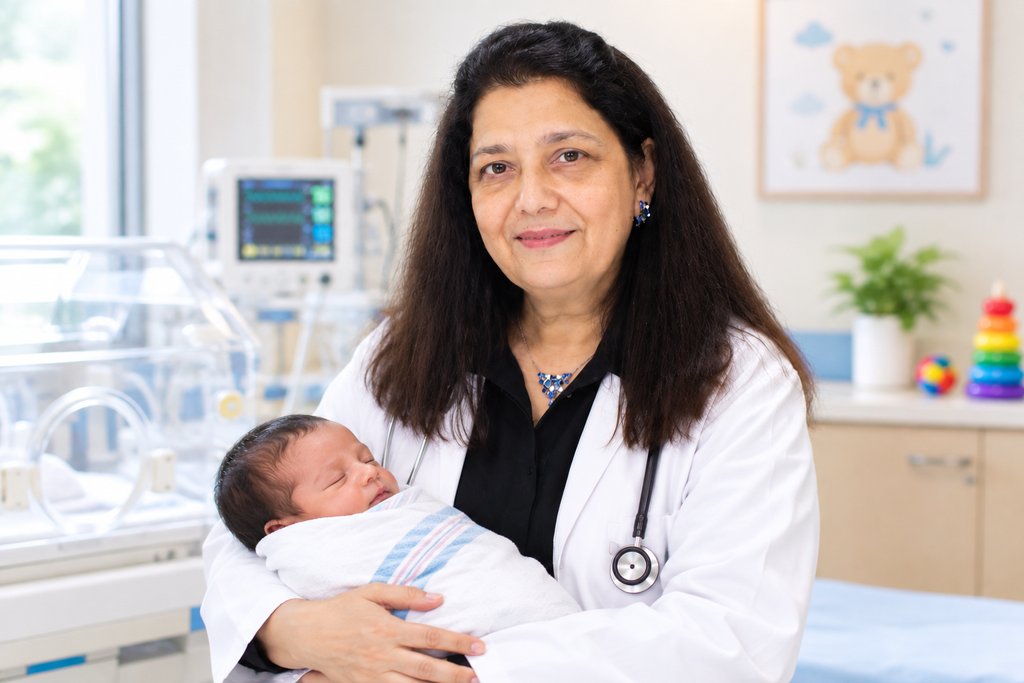
The first 28 days of life are delicate. Newborns can develop problems such as jaundice, feeding difficulty, breathing trouble, low birth weight concerns, or infections, and these need prompt, skilled attention. A neonatologist is a doctor specially trained to care for newborns, including premature babies and those who need close monitoring after birth.
If your baby was born early, had a difficult delivery, or needed time in a special care unit, it is helpful to choose a doctor who also has newborn expertise. This allows the same specialist to follow your baby from the early days into infancy and childhood, which gives you continuity and peace of mind.
New parents should also ask about breastfeeding support, safe sleep practices, umbilical cord care, and how to recognise a baby who is not feeding well. These small conversations in the early weeks make a big difference to your confidence as a parent.
Vaccinations and Growth Monitoring
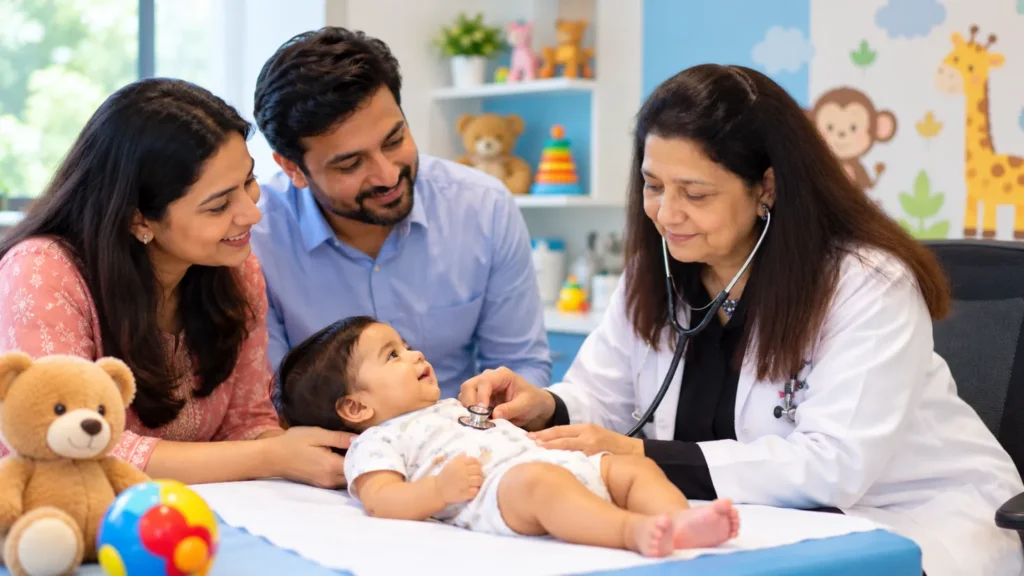
Immunisation is one of the most effective ways to protect children from serious diseases. A good pediatrician keeps track of the vaccination schedule, explains each vaccine, and reminds you when the next dose is due. They will also discuss common reactions such as mild fever or soreness, so you know what is normal and what is not.
Regular growth monitoring is just as important. At every visit, the doctor can measure weight, height, and head circumference and compare them against standard growth charts. Slow or unusual growth can be an early sign of nutritional gaps or other health issues, and catching it early makes treatment easier.
Developmental milestones also deserve attention. Whether your child is smiling, sitting, crawling, walking, or speaking at the expected age tells the doctor a lot about overall development. If you have any worry about delayed speech, movement, or social behaviour, raise it early rather than waiting. You can visit the Best Pediatric Clinic in Pimple Saudagar for regular vaccination and growth check-ups.
Common Childhood Problems and When to See a Doctor
Most children catch colds, coughs, stomach upsets, and viral fevers several times a year, and many of these settle with rest and simple care. However, some situations should never be ignored. Consult a pediatrician without delay if your child shows any of the following:
- Fever in a baby younger than three months, or fever that lasts more than two to three days
- Fast, laboured, or noisy breathing
- Repeated vomiting or loose motions with signs of dehydration, such as dry lips, no urine for many hours, or unusual sleepiness
- Refusing feeds, extreme irritability, or a child who is very drowsy and hard to wake
- Skin rashes with fever, persistent ear pain, or an injury that does not look right
- Seizures or any sudden change in behaviour
Trust your instinct. You know your child best, and a quick consultation is always better than waiting and worrying. In an emergency, go to the nearest hospital immediately.
Questions to Ask During Your First Visit
The first appointment is your chance to understand how the doctor works. Consider asking:
- How can I reach the clinic for urgent questions after hours?
- What is your approach to antibiotics and over-the-counter medicines?
- How do you track vaccinations and growth over time?
- Can you guide me on nutrition, weaning, and healthy eating habits?
- What should I do at home before bringing my child in when they are unwell?
The answers will tell you whether the doctor’s style matches your expectations. A good pediatrician welcomes questions and never makes parents feel silly for asking.
Tips to Make Doctor Visits Easier for Your Child
Many children feel nervous at the clinic. You can help by staying calm yourself, explaining in simple words what will happen, and bringing a favourite toy or blanket for comfort. Carry your child’s vaccination card, previous reports, and a short list of symptoms or questions so nothing is forgotten. For babies, plan the visit around feeding and nap times when possible, since a well-rested, fed child is much easier to examine.
Final Takeaway
Choosing a child’s doctor is about trust, comfort, and consistent care. Look for qualifications, communication, newborn expertise, and a clinic that feels welcoming to both you and your little one. When your child’s health is in good hands, you can focus on enjoying each stage of their growing up. If you are looking for a Pediatrician in PCMC, you can find clinic details and patient reviews on Google before you book a visit.
Frequently Asked Questions
Book a Consultation for Your Child Today
Caring, experienced guidance for newborns, infants, and children. Visit the website or find the clinic on Google to get started.
Book an Appointment View on Google